


More brands (62)
Thomas Kosmala
Some fragrances are driven by emotion, while others are highly technical. This is not to detract from the skill involved, but Thomas Kosmala is an alchemist (at least, that is how he describes himself), blending different ingredients and scents. The result is, of course, both amazing and fascinating. Working with raw materials Thomas Kosmala was born in Poland. By the time he decided to enter the world of perfumery, he already had a degree in chemistry and had worked in the essential oils industry. He learned the craft of perfumery through private lessons with Alice Data of Cinquième Sens. Through her, he learned about creation, composition, and everything else needed for the technical side of perfumery. He trained at her institute in Paris for two years, trying to connect raw materials with colors, shapes, and textures - an exercise in creativity. He also learned a great deal about synthetic materials, believing that they are just as important as natural ones. After two years in Paris, he established a laboratory in the south of France, where he continues to experiment with different raw materials to create something special and enchanting. From then until today, Thomas Kosmala has been considered something of a rock star in the world of perfumery, and his fragrances - which he blends himself - are among the most exclusive and expensive in the world. His customers come mainly from the Middle East and wealthy Gulf countries. Thomas Kosmala - carving out a niche Kosmola knows that in the commercial world, there always have to be trends, because that is what the mass market mainly buys. So he decided to focus on niche perfumery. In his words, niche is synonymous with freedom: rather than following trends, you create art and movements, without regard for commercial considerations. What's more, customers who buy these fragrances are looking for something distinctive, and they can easily find it in niche perfumery, a diverse world full of soul. He tends to use Ood extensively in his fragrances, an ingredient that Europe, he says, discovered only recently. It is a scent that has been part of the history of the Middle East for a long time. There, Ood was used for relaxation and to welcome guests. While large commercial perfume houses use synthetic Ood in their products, since natural Ood is especially hard to obtain in large quantities, Kosma prefers and loves to use this natural ingredient in his fragrances, partly because he wants to keep the tradition alive. The first creation - pure Ood On his first creation, Kosmola says: "This is my vision of the purity of oud. The top notes have lots of flowers: rose, magnolia, gardenia, jasmine, peony... There aren't many fresh citrus notes at the top; although there is bergamot, the fragrance goes straight to the flowers. One thing was really difficult for me - how to connect the flowers with the base notes of oud and very soft amber." To overcome this obstacle, he decided to see what others were doing and found that flowers could add to the scent of oud. "And if you keep it on your skin all day, it will become a soft, musky, ambery base with oud. This is the main part of the fragrance, and I created it for a relaxing afternoon atmosphere, to bring out the purity and caressing softness of oud, without being especially animalic," he adds. In contrast to white oud, Thomas Kosmala created black oud. This is a different story altogether: it is, in fact, the opposite fragrance, with an overdose of Ood oil. It is darker, more mysterious. Only its top notes contain the signature notes of the previous fragrance. In his later creations, Kosmola turned to the European market and developed a collection for it.


From our blog
All articles-
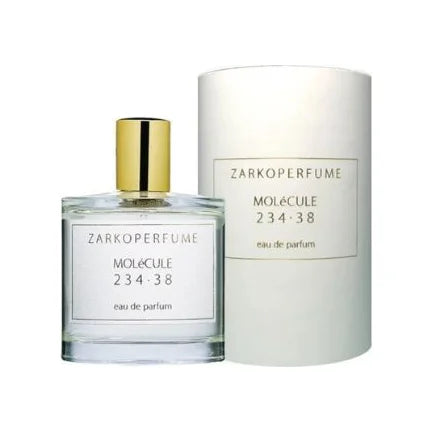
מולקולה 01: להבין את שפת הבשמים המולקולריים
-
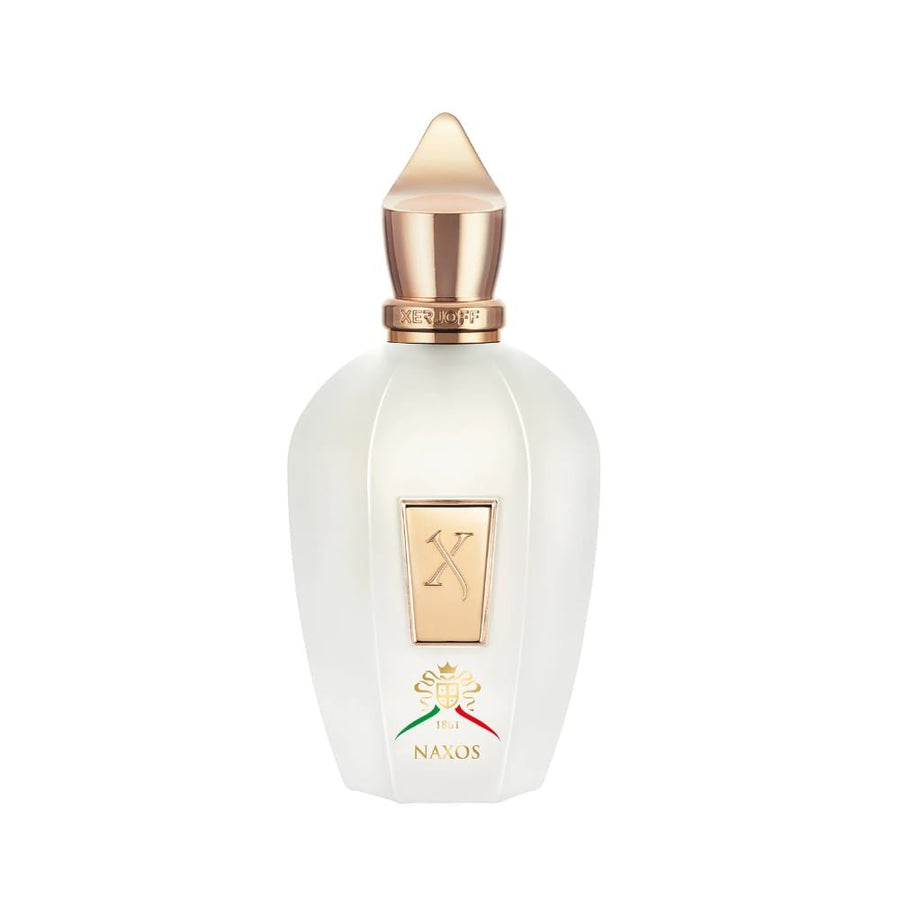
Xerjoff בשלוש תנועות: כך קוראים ניחוח דרך הפירמידה
-
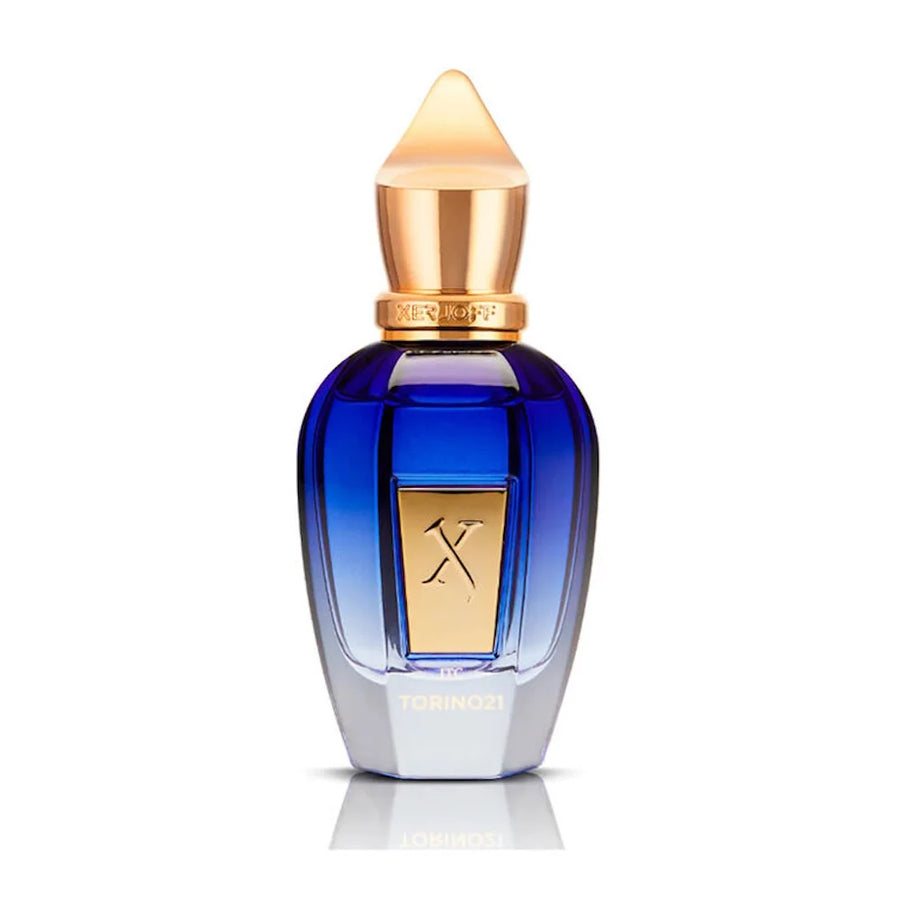
מה זה Xerjoff ואיך בוחרים נכון
-
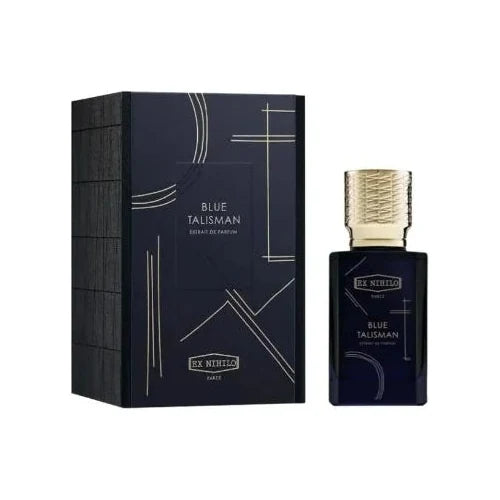
מה זה Ex Nihilo ואיך בוחרים נכון
-
Sospiro Vibrato: מה זה ואיך בוחרים נכון
-
מה זה French Avenue ואיך בוחרים נכון
-
מה זה Rayhaan Vantage ואיך בוחרים נכון
-
מה זה nishane ani ואיך בוחרים נכון


